Important update
New federal regulation go into effect on December 11th banning THC so stock up on THC products while you still can. More updates via our newsletter.
☀️ 30% OFF W/ PROMO CODE SUMMER-SALE
CBD might seem like a newfound modern trend. But the hemp history timeline goes way back. Find out here in this history lesson on hemp and cannabis.
Far from being a new trend, hemp has seen use since time immemorial for a wide variety of purposes.
If this is the first time you’re learning about the hemp history timeline, you might be in for a bit of knowledge shock.
This useful plant has been with us since ancient times.
So, read on and we’ll give you a brief overview of the long and intertwined history of hemp and humanity.
There’s archaeological evidence of hemp use as far back as ten thousand years ago. The cannabis plant is native to the Indian sub-continent and Central Asia. The earliest evidence comes from 5000BC in China, although there is also older evidence of use in Japan circa 8000BC.
It seems that they used hemp for two primary purposes: its tough fibers and nutritious seeds.
Indeed, the exact origin of smoking cannabis for recreational or medicinal effects is hard to trace.
What we do know is that the industrial usage of hemp was important in Asian history. Shoes, ropes, and even paper were all made from the plant.
Meanwhile, the ganja of the Indian sub-continent seems to be the first solid link to the usage of psychoactive hemp. It’s likely that early specimens of cannabis were low in THC and other cannabinoids but selective breeding would have produced psychoactive specimens.
The medicinal properties of the plant receive mention in the Atharva Veda, a book that seems to have emerged during the early second millennium BC. The plant’s reference in the Atharva Veda was bhanga.
There are also some arguments made that cannabis may have been the soma referenced in Hindu literature, although arguments have also spread for other plants and even the Fly Agaric mushroom.
This use then spread to the Assyrians and the Scythians. Indeed, the famed historian Herodotus’ records are the earliest evidence of cannabis use specifically for psychoactive purposes instead of medical use.

The spotty history of the plant makes it hard to track down, but it’s well known that hashish spread across the Middle East from 1200AD onwards.
The spread of the plant had become nearly unstoppable at this point although it wasn’t always of the psychoactive variety.
The use by British indentured servants from India was also widely documented. The plant had begun to make its way around the world and even in areas where it was primarily used as an industrial crop, it was certain that some people knew of its psychoactive and medicinal uses.
At this point, some attempts were made to halt the spread in various countries, primarily the colonies in the Americas where usage by slaves and indentured servants was often harshly punished.
An interesting report emerged from British India during inquiries into the drug’s effect in 1893-1894.
Multiple attempts had been made in the early days of British India to ban the drug but the findings of the report noted that its use was often moderate and that even severe cases were essentially harmless to society at large.
Hemp was introduced to North America in 1606 and there exists evidence that it was used by the Puritans as early as 1645.
The Founding Fathers of the US were big fans of the plant. Thomas Jefferson was known for declaring that the plant was going to be one of the biggest cash crops in the US, going so far as to plant a permanent acre of hemp on his property at Poplar Forest.
When the colonials took the unprecedented step of revolting against the British Empire and winning, the document which was used to spark one of the biggest events in history was penned on hemp paper.
The future seemed bright for hemp in the United States as a cash crop.

Alas, not all was as it seemed.
In addition to its incredible industrial uses, hemp also produced THC.
In 1937 the Marihuana Tax Act was passed, which banned both industrial hemp and psychoactive cannabis from being grown without a tax stamp.
No stamps were ever issued due to the wording of the act. It was a de facto ban that lasted for much of the 1900s.
In the mid to late 1990s, beginning in 1996, individual states began to allow recommendations of medical cannabis. As time wore on more and more states have allowed for the use of medical cannabis.
Even recreational use began to be legalized by individual states, with the Federal Government stepping out of the way in virtually all cases.
The real breakthrough for medicinal CBD came fairly recently in The Farm Bill, which allows for the production of hemp as long as the product contains less than 0.3% THC on the Federal Level.
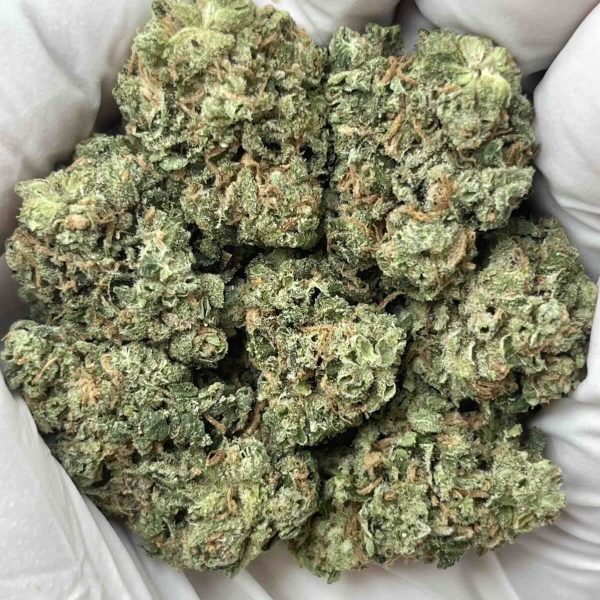
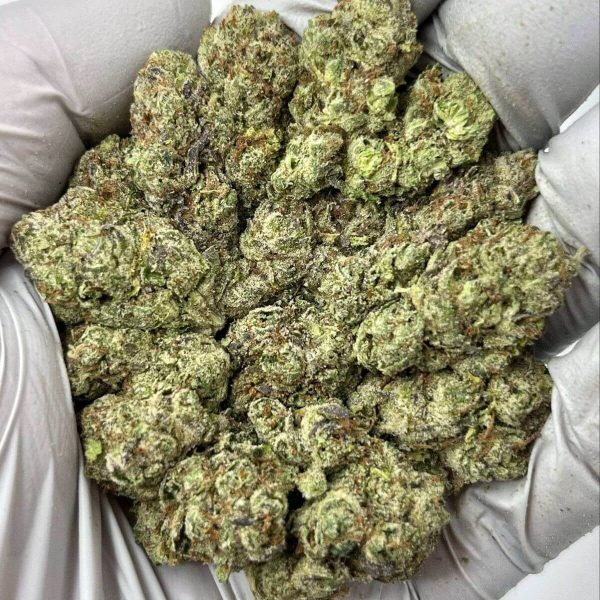
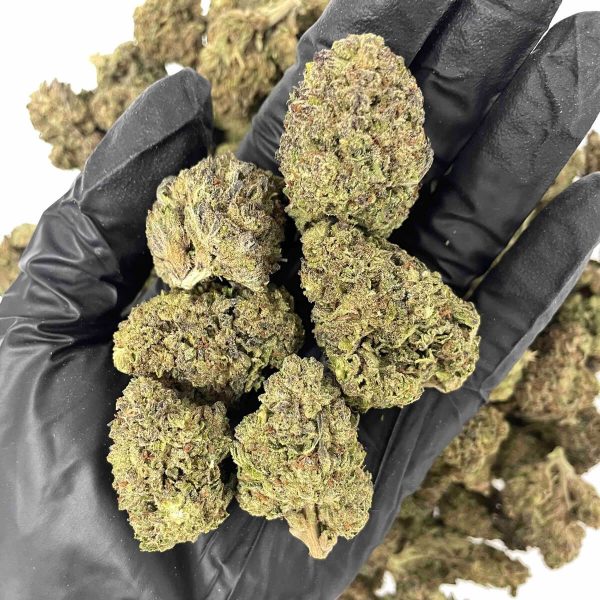
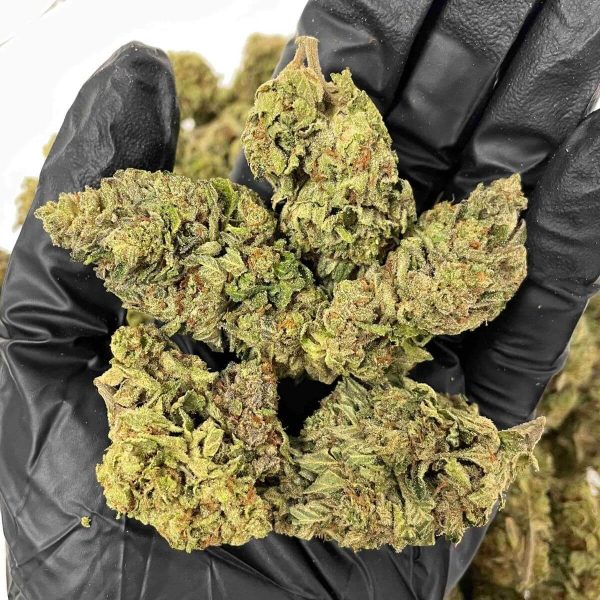
This bill has caused an explosion in both the study and use of this medicinal product and even allows for the dried flower to be used as long as it falls under the Federal restrictions.
And so history falls on the side of hemp once more. The valuable and ancient medicinal uses are backed by modern science as restrictions begin to lessen.
The hemp history timeline is fascinating for students of both medicine and history. The truth is that hemp has been around for much of human history, for both industrial and medicinal use.
And, as science and modern regulations begin to catch up with the knowledge of the ancients, one thing is clear: hemp is going to take its rightful place as a valuable plant once more.
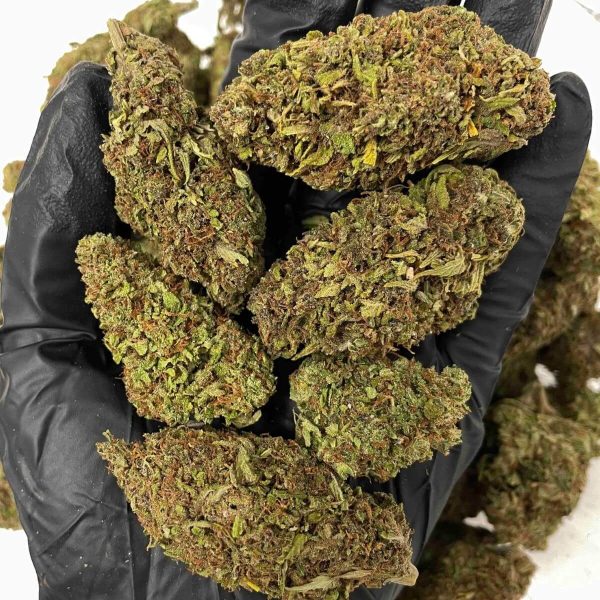
Perhaps it’s time to give hemp flower a shot!
Hayley is passionate about all things cannabis and has been a strong advocate for CBD for over a decade. As a former marijuana farmer and smoker, she knows a thing or two about cannabis and is constantly on the lookout for new research from around the world regarding her favorite plants. Hayley is also the owner and operator of CBD Incubator.
View all posts by Hayley Smith
@taz_is_tha1 23K
@cannabisk9_md 8K
@cbdhemplibrary 1.2K
@officialjanellemusic 2K
@cbd_smokedoctor 1.1K
@_caralovely 48K
@cannaash 11K
HAVE A QUESTION?
(415) 738-5127
MON-FRI 9AM-5PM EST