





Flavonoids are as important as cannabinoids & terpenes
Cannabis is a fascinating plant with layers upon layers of complexity and it is my firm belief that we’ve only scratched the surface of the possibilities of its miracles.
In the blog, we’ve covered a lot of information about cannabinoids and terpenes. Two terms that get thrown around like they’re the only two things that matter when it comes to picking a strain.
Now, don’t get me wrong—THC, CBD, CBG and all the other cannabinoids deserve their fame, and terpenes definitely bring the flavor (and more). But let’s talk about a lesser-known yet equally important player in the cannabis entourage: flavonoids.
You might not have heard as much about flavonoids in cannabis, but they are just as critical as cannabinoids and terpenes in creating the diverse experiences and benefits we get. In fact, flavonoids play a huge part for the colors, flavors, and therapeutic effects in both cannabis and hemp flower.

What Are Flavonoids?
To understand why flavonoids are so essential when picking a CBD or cannabis strain, we first need to know what they are.
In geek terms, flavonoids are naturally occurring compounds found in most plants, not just cannabis. They’re a type of phytonutrient, and they’re responsible for the rich colors in fruits and vegetables. But more than just providing pretty hues, flavonoids also contribute to the flavor and potential health benefits of the plants we consume.
In cannabis, flavonoids make up about 10% of the plant’s compounds (much more than one might think) and they work alongside cannabinoids and terpenes to shape the effects of different strains.
These three components—cannabinoids, terpenes, and flavonoids—work together in what’s known as the entourage effect where the total effect of the plant is greater than the sum of its parts.
While cannabinoids like THC, THCa and CBD tend to steal the spotlight for their psychoactive and medicinal properties, it’s flavonoids and terpenes that add to the subtleties of the experience. Think of the cannabinoids as the engine of a car and the terpenes and flavonoids as the drivers.
When buying cannabis in a THCa online dispensary you may be tempted to only look at the THCa percentage, but you really need to pay close attention to the terps and the flavonoids as well since those will dictate the effects.
Where Else Do We Find Flavonoids?
You’re most likely consuming flavonoids everyday without even realizing it (unless you have a very unhealthy diet 😂).
They’re found in a wide variety of fruits and vegetables like apples, berries, citrus fruits, and even chocolate. They have great antioxidant and anti-inflammatory properties, which is one of the reasons why a diet rich in fruits and vegetables is good for your health.


Cannabinoids, Terpenes, and Flavonoids: The Entourage Effect Explained
You’ve probably heard of the entourage effect before, but if you’re new to the concept, let’s break it down. We have a longer article on the entourage effect here if you want the full lowdown.
The entourage effect is the idea that cannabis’ compounds work better together than they do on their own. This means the combined effect of these compounds is greater than the sum of its parts.
For example, a high-THC strain might give you a certain level of psychoactivity, but if that strain also contains high levels of CBD, certain terpenes, and flavonoids, the overall experience will change compeltely. You might feel more relaxed, alert, or pain-free, depending on the specific blend of compounds.
Here’s where flavonoids play their role: They complement the effects of cannabinoids and terpenes, fine-tuning the overall experience and enhancing both the therapeutic and sensory outcomes.
The Unique Role of Flavonoids in Cannabis
There are many different flavonoids so we won’t go into detail on all of them in this article but there are some cannabis specific ones that you should get familiar with.
The cannabis specific flavonoids are known as cannflavins. Research has shown that cannflavins A, B, and C are particularly powerful when it comes to their anti-inflammatory effects. In fact, cannflavins have been found to be 30 times more effective than aspirin at reducing inflammation. Those are wildly interesting effects that opens up new potential for cannabis as a treatment for a heap of different medical conditions (congress, get on it).
Flavonoids and the Role of Color in Cannabis
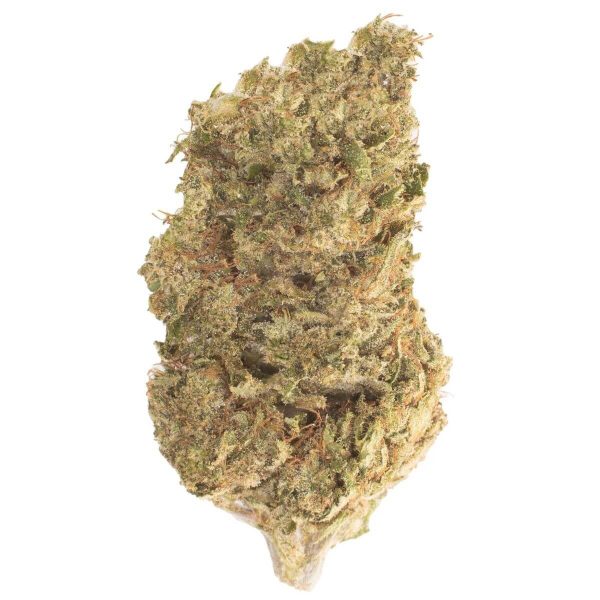
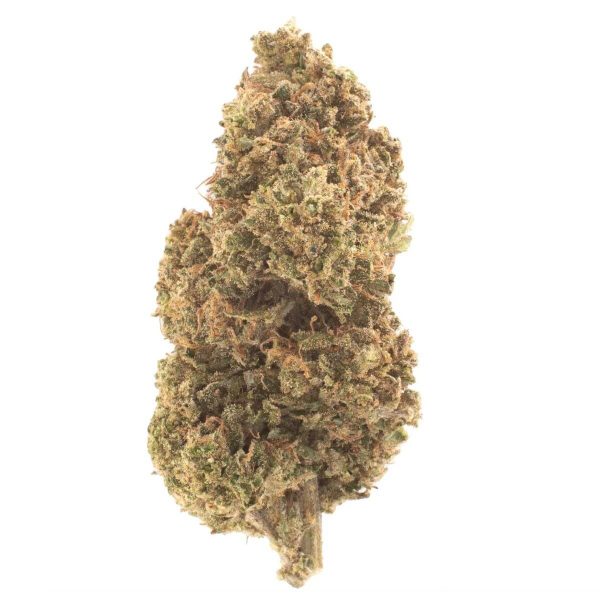
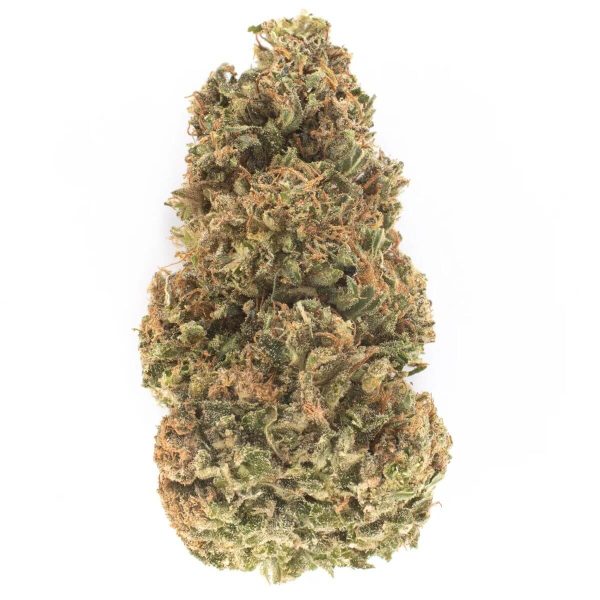
If you’ve ever seen a cannabis or hemp plant in full bloom, you’ll know that it is a most beautiful plant. They have bright green, purple, red, and yellow hues that all are created by flavonoids.
For instance, flavonoids called anthocyanins are responsible for the purple color you find in strains like Godfather OG or Bubba Kush.
Genotypes vs. Phenotypes: Why the Same Strain Can Look (and Act) Different
Let’s talk about genetics for a minute. If you’ve shopped from our CBD flower menu, you’ve probably heard the terms genotype and phenotype.
A genotype is the genetic makeup of a plant. It’s the blueprint that dictates the plant’s potential traits, including the production of cannabinoids, terpenes, and flavonoids. Think of it as the plant’s DNA.
A phenotype, on the other hand, is the expression of those genetic traits based on the plant’s environment.
An example would be, two plants with the same genotype, let’s say Kush Loops. One plant is grown in an indoor facility under perfect conditions. The other plant is grown in an outdoor field where it is affected by the weather, soil and other elements.
The two plants might express very different phenotypes where one may test at 25% and be deeply purple, while the other tests at 15% and is bright green with hints of purple.
That is why the same strain from different harvests can be so very different.
In growing hemp and cannabis you can create clones where the phenotypes will be genetically identical to each other. That is how growers can selectively breed strains that get freakishly potent. More on why cannabis has gotten too strong here.
The Health Benefits of Flavonoids in Cannabis
Now that we’ve covered the basics of flavonoids, let’s dive deeper into their potential health benefits. While research on flavonoids is still in its early stages, the evidence we do have is promising.
- Anti-Inflammatory Properties: As mentioned earlier, cannflavins A, B, and C have been shown to have potent anti-inflammatory effects.
- Antioxidant Benefits: Many flavonoids, including quercetin and kaempferol, are powerful antioxidants. Antioxidants help protect the body from oxidative stress, which can lead to cell damage and contribute to many different conditions.
- Antiviral and Antibacterial Effects: Some flavonoids, like quercetin, have been shown to have antiviral and antibacterial properties.
- Neuroprotective Potential: There is growing interest in the neuroprotective effects of flavonoids and their relation to the brain.